

In a recent episode of the Made in the Midlands podcast, Chet Parmar, CEO of Colebridge Trust, joined host Jason Pitt to explore the vital role social enterprises play in shaping a more inclusive and sustainable economy.
Colebridge Trust, based in Solihull, is a long-established charity and social enterprise that supports people with disabilities, neurodivergence, and long-term unemployment into meaningful work. Through its vocational services and manufacturing unit, Colebridge Enterprises, it creates commercial value while delivering deep social impact.
Below are highlights from the discussion, which focused on everything from entry-level jobs to affordable workspace, workplace health, and the power of local supply chains.
Watch the full interview here
"Entry-Level Jobs Are a Lifeline"
According to Chet Parmar, entry-level roles are essential to building pathways for young people and those returning to work:
We’re running at nearly 15% youth unemployment in the UK. That’s a huge number. And the loss of retail and hospitality jobs means fewer stepping stones. Without that first rung, people simply can’t climb the ladder.
Colebridge supports individuals often overlooked by traditional employers. Many arrive with little confidence, no formal qualifications, or barriers like anxiety and past trauma. But with support and structure, they thrive.
One young man came to us as a school leaver with mental health issues. He’s now been with us nearly 10 years, has completed multiple apprenticeships, and mentors others. That transformation started with a single opportunity.
Rethinking Recruitment: "Forget the CV, Show Me What You Can Do"
Both Jason and Chet shared frustrations with traditional hiring processes that rely heavily on CVs and interviews:
You wouldn’t hire a musician based on their résumé — you’d ask them to play. Why don’t we do the same in manufacturing or services?
Chet echoed this with experience from his own team:
Some of the best employees we’ve had wouldn’t have passed a conventional interview. People shine when you put them in a real environment — not a pressured room with scripted questions.
He also praised a recent DWP initiative exploring new recruitment models, such as work trials and practical assessments.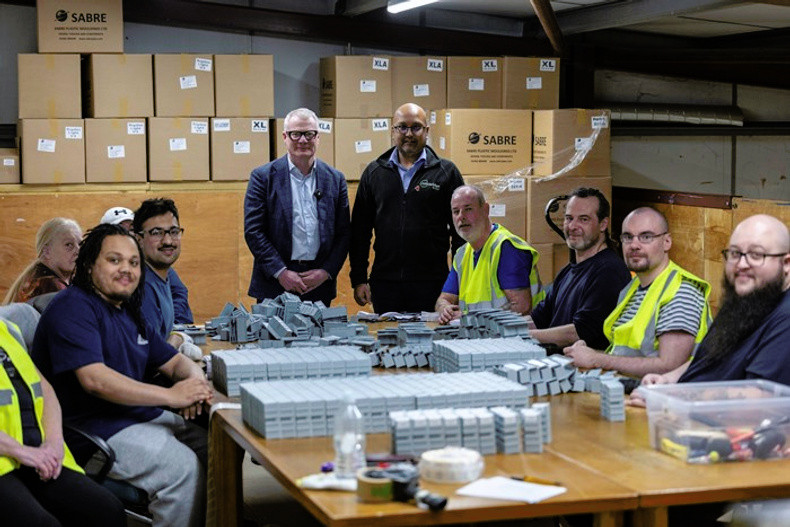
West Midlands Mayor Richard Parker joins Chet Parmar and the Colebridge team during a recent visit to the organisation’s Solihull facilities.
Affordable Industrial Space: “We’re Being Pushed Out”
Location is everything, but in Solihull, finding affordable space for industrial work is becoming nearly impossible.
We’d love to expand. But Solihull favours premium office space and housing. Industrial units are scarce and come at a premium. For SMEs like us, that’s a major barrier,” Parmar explained.
The issue isn’t unique to social enterprises. Many SMEs in Made in the Midlands report similar challenges — limited space, long-term lease demands, and high setup costs that deter growth.
It’s a perfect storm: rising minimum wage, energy costs, recruitment challenges, and now workspace too. It’s one more pressure we could all do without.
Supporting the Social Economy: “Skills Are as Valuable as Funding”
When asked how larger businesses can help, Chet was clear: it’s not just about money.
Philanthropy is great, but many social enterprises need skills — operations, finance, logistics. We’ve had manufacturing professionals come in and help us improve layout and flow. It made a huge difference.
He also highlighted the need for work experience placements — especially for students and individuals from non-traditional backgrounds.
Not everyone has the family networks to secure placements. Businesses can help by actively opening their doors. It’s not just good PR — it’s meaningful impact.
Tackling Sick Days and Health with WorkWell
Health and absenteeism are hitting the bottom line — hard. In partnership with the NHS and DWP, Colebridge is delivering WorkWell, a pilot project aimed at reducing workplace sickness.
The numbers are stark:
-
A 55% increase in sickness since 2019
-
£1.4 billion lost in UK manufacturing due to absenteeism
-
43% of absences linked to depression and anxiety; 36% to musculoskeletal issues
WorkWell places a coach between the employer and employee — helping both sides find solutions. Whether that’s returning to work with adjustments, or retraining for a new role, the aim is clear: keep people in meaningful work, said Parmar.
The program also gives employers access to NHS professionals, supporting both physical and mental health recoveries.
Local Jobs for Local People: “It’s About Sustainability, Not Parochialism”
Colebridge is a vocal supporter of the Social Economy Cluster, an initiative by the West Midlands Combined Authority promoting local procurement and circular supply chains.
If we buy locally, we create local jobs. That money circulates. That’s sustainability in practice.
Many social enterprises offer competitive services — HR, catering, logistics — while employing disadvantaged groups. Including them in procurement chains isn’t just ethical; it’s efficient.
For every £1 spent locally, you generate £4 of local economic benefit. That’s real value — not just sentiment.
Final Thoughts: “It’s Time to Build a More Self-Reliant Economy”
Chet believes recent global events — from COVID to rising tariffs — should serve as a wake-up call:
We don’t want to isolate ourselves, but we do need resilience. If we don’t support our own industries, our own people, we won’t have a base left to build on.
He called for joined-up thinking across sectors — government, health, education, business — and praised Made in the Midlands for creating platforms where these voices can be heard.
Get Involved
Colebridge Trust continues to work with employers, local authorities, and community groups to create pathways into employment for those often left behind. From offering placements and mentoring to strategic partnerships and supply chain inclusion, businesses have countless ways to support this mission.
To learn more, visit www.colebridge.org or connect with Colebridge on LinkedIn.